
Massage Therapy in Yakima

Care for muscle tension and comfort at Acute Chiropractic Yakima
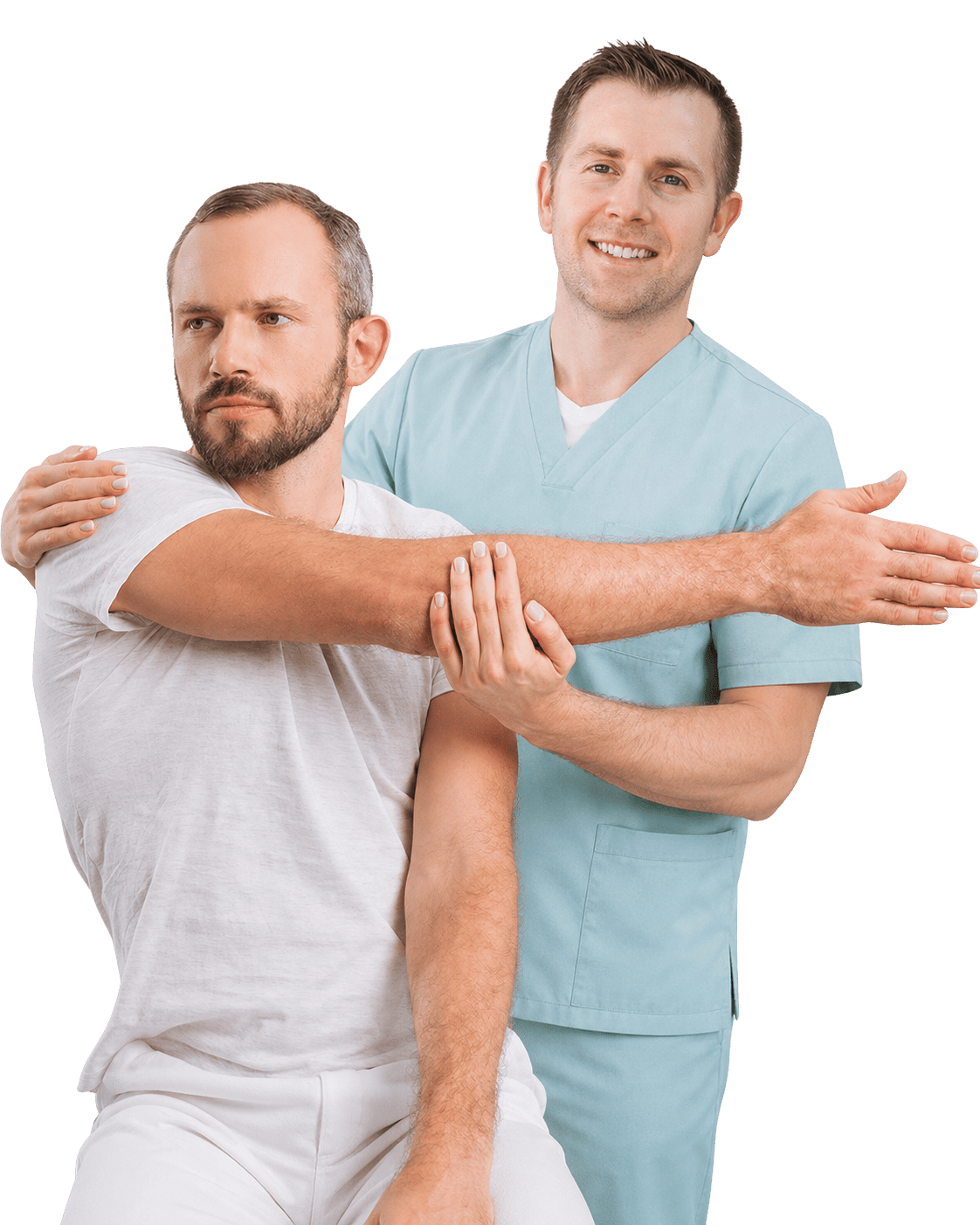
Massage uses hands-on techniques to work with muscles and other soft tissues. Some people use it for relaxation or short-term relief of discomfort. Ask about the techniques available and whether massage is appropriate for your condition.

Overview

Massage therapy may help some people with pain or muscle tension, but the evidence and results vary by condition. It should complement appropriate medical evaluation. It is not a treatment for every illness, and combining it with chiropractic care does not guarantee faster healing.

Benefits of Yakima Massage Therapy

Potential goals include relaxation, comfort, and managing muscle tension. Discuss your symptoms and preferences before treatment. NCCIH reviews the evidence and safety of massage.

Tell the therapist about blood thinners, a bleeding disorder, osteoporosis, recent surgery, pregnancy, skin problems, or a new injury. Stop and report sharp pain or unusual symptoms. Massage is not a substitute for treatment of a serious medical condition.

Schedule an Appointment Today!

Types of Massage Offered at Our Yakima Massage Clinic

The following explains common approaches to massage. Contact the clinic to confirm current availability and whether a particular technique is suitable for you.

After an Injury

After assessment for serious injuries, massage may be an option for muscle discomfort. The timing and pressure should match the condition. It does not release stored negative energy or treat emotional trauma. Seek appropriate mental health care for anxiety, depression, or trauma concerns.

Relaxing Massage

Gentle massage may promote relaxation and help some people feel less tense. Tell the therapist which pressure feels comfortable. More pressure is not necessarily more helpful.

Therapy Massage Yakima

A massage appointment begins with a discussion of symptoms, health history, goals, and consent. Ask about the provider’s current credentials and experience. Massage and chiropractic are separate approaches; either may be unsuitable depending on the condition.

Common approaches include:

  • Swedish Massage
  • Deep Tissue Massage
  • Sports Massage Therapy
  • Trigger Point Massage

Swedish massage generally uses lighter strokes for relaxation and comfort.

Deep-tissue approaches use firmer pressure. Pressure should remain tolerable and may be unsuitable for some conditions.

Sports massage is a general term for massage used around physical activity. It does not guarantee injury prevention or improved performance.

Trigger-point approaches apply pressure to tender muscle areas. The cause of persistent pain should be assessed rather than assumed.

Acute Chiropractic Yakima
Most-Trusted-Company-
certified-cropped-final
Trust-Seal-for-Local-Business-
Yakima Chiropractic - Acute Chiropractic Yakima

Chiropractic Massage in Yakima

Chiropractic massage refers here to massage offered in a chiropractic setting. Massage works with soft tissues, while spinal manipulation applies force to a joint. After evaluation, you can discuss each approach separately or together. Neither guarantees pain relief or correction of an underlying condition.

What should I tell the therapist?

Describe where you hurt, recent injuries, medicines, and any medical restrictions. You can ask to change pressure or stop treatment at any time.

Medical information: This page is general information, not a diagnosis or individual treatment advice. Care depends on an examination; benefits, risks, alternatives, and results vary.

Further reading: massage after an auto accident, choosing a massage therapist.

Questions About Massage Techniques

Availability, training, and suitability differ by technique. Confirm the services currently offered with the office before booking. These descriptions explain general concepts and do not establish that every technique is available at this clinic.

Medical Massage

Massage may form one part of a care plan for a specific musculoskeletal complaint. Ask what the treatment aims to achieve and how the clinician will measure progress. It does not replace medical care or guarantee changes in immunity, digestion, or nerve compression.
Muscle Therapy

Muscle-focused care may involve hands-on techniques and advice about activity. Persistent pain can have several causes and deserves assessment. Tell the clinician if symptoms are worsening. This page does not establish that physical therapy, occupational therapy, or other separately licensed services are offered.
Cupping

Cupping uses suction on the skin. Research on its benefits is limited, and it can cause marks, skin injury, or other adverse effects. Ask the office whether it is currently offered and discuss risks before considering it. Do not attempt fire or wet cupping based on website instructions.

Myofascial Release

Myofascial release describes manual techniques applied to muscles and connective tissue. Evidence varies by condition. Ask about its purpose, alternatives, and whether it is suitable for your symptoms. Report significant pain during treatment.

Instrument Assisted Soft Tissue Manipulation

Instrument-assisted soft tissue techniques use handheld tools on soft tissues. Claims that they reliably break down scar tissue, speed healing, or treat fractures are not established here. Confirm availability and discuss evidence, risks, and alternatives with the clinician.

Before You Book

Ask which techniques are available, who will provide care, the expected cost, and whether medical clearance is needed. Massage should not be applied over a suspected fracture or serious acute injury. Seek urgent medical assessment for new weakness, bowel or bladder changes, or a serious injury.