

admin
July 13, 2026
Rear-end collisions are the most common type of traffic accident in the Yakima Valley. Whether you were hit during stop-and-go traffic on Interstate 82, caught in a fender-bender near the Valley Mall, or struck at a local intersection, the physical mechanics of a rear-end impact are incredibly violent. Even at speeds as low as 5 to 10 miles per hour, the sudden transfer of energy forces your vehicle forward, causing your body to move at a different rate than your head.
Your torso is pushed forward by the seat, while your head lags behind before violently whipping forward. This rapid, whip-like motion stretches and tears the delicate muscles, ligaments, and tendons supporting your cervical spine.
The primary challenge with whiplash is that it rarely presents as a single, obvious injury. Instead, it manifests as a collection of structural and soft-tissue issues that creep up over several days. If you have recently been involved in a collision, use this comprehensive whiplash checklist to monitor your body and determine if you need to seek professional whiplash treatment in Yakima.
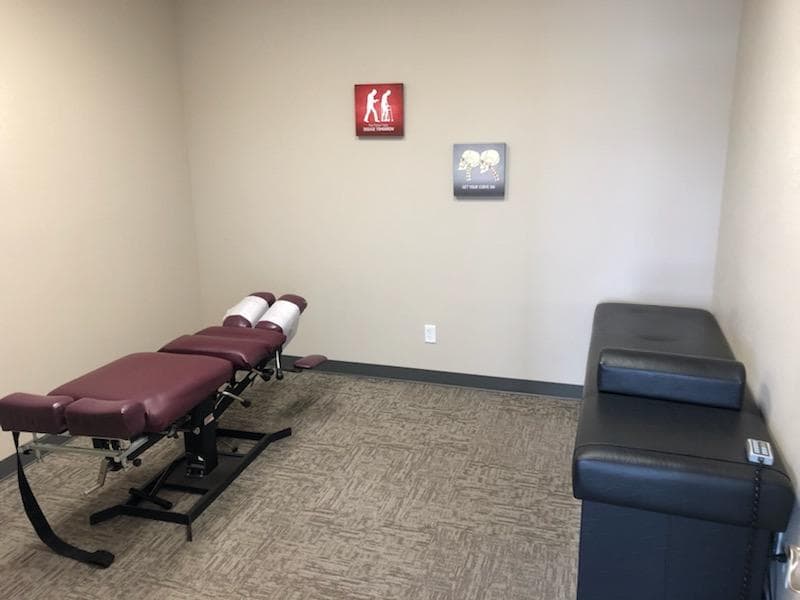
Persistent Neck Pain and Stiffness: This is the hallmark sign of whiplash. You might feel a dull, constant ache or a sharp, stabbing pain when trying to turn your head from side to side or look up and down.
Loss of Range of Motion: Do you have to turn your entire torso just to look over your shoulder while checking your blind spot? A drastic reduction in neck mobility indicates significant inflammation and joint restriction.
Shoulder and Upper Back Tenderness: The muscles in your neck connect directly to your shoulders and upper back. The whip-like motion often strains the trapezius and rhomboid muscles, leading to painful knots and spasms.
When the vertebrae in your neck are forced out of their proper alignment during a crash, they can compress or irritate nearby nerves. Look out for:
Radiating Tingling or Numbness: A pins-and-needles sensation traveling down your shoulder, arm, or into your fingers is a strong warning sign of nerve compression in the cervical spine.
Arm Weakness: Difficulty lifting everyday objects or a sudden lack of grip strength can stem from compromised nerve pathways in the neck.
Whiplash impacts more than just your spine; the sheer force of the motion can affect your skull and neurological systems.
Post-Traumatic Headaches: These headaches typically start at the base of the skull and radiate forward toward the forehead. They are often caused by severe muscle spasms pulling on the cranial bones.
Dizziness or Vertigo: Feeling unsteady on your feet or experiencing a spinning sensation can happen when the sensory receptors in your neck joints are disrupted.
Tinnitus (Ringing in the Ears): A persistent ringing, buzzing, or whistling sound after a crash is a well-documented secondary symptom of severe whiplash trauma.
Because severe whiplash disrupts the central nervous system, it can affect your cognitive well-being.
Chronic Fatigue and Insomnia: Pain and structural misalignment make it incredibly difficult to find a comfortable sleeping position, leading to exhaustion.
“Brain Fog” or Irritability: Difficulty concentrating, memory lapses, and sudden mood shifts are common responses to the systemic stress and pain of an untreated spinal injury.
If you are experiencing even one or two symptoms on this checklist, your body is telling you that it has sustained structural damage. Masking the pain with over-the-counter medication only hides the symptoms while the underlying tissue heals incorrectly, creating long-term scar tissue and permanent mobility loss.
Seeking specialized whiplash treatment in Yakima from an experienced chiropractor allows you to address the root cause of the trauma. Through precise, gentle adjustments and targeted soft-tissue therapies, you can restore proper alignment, alleviate nerve pressure, and ensure your body heals cleanly. Don’t wait for these symptoms to worsen—schedule your post-accident evaluation today.
